Motorcycle Rentals in Asia: Everything We've Learned in Nine Years
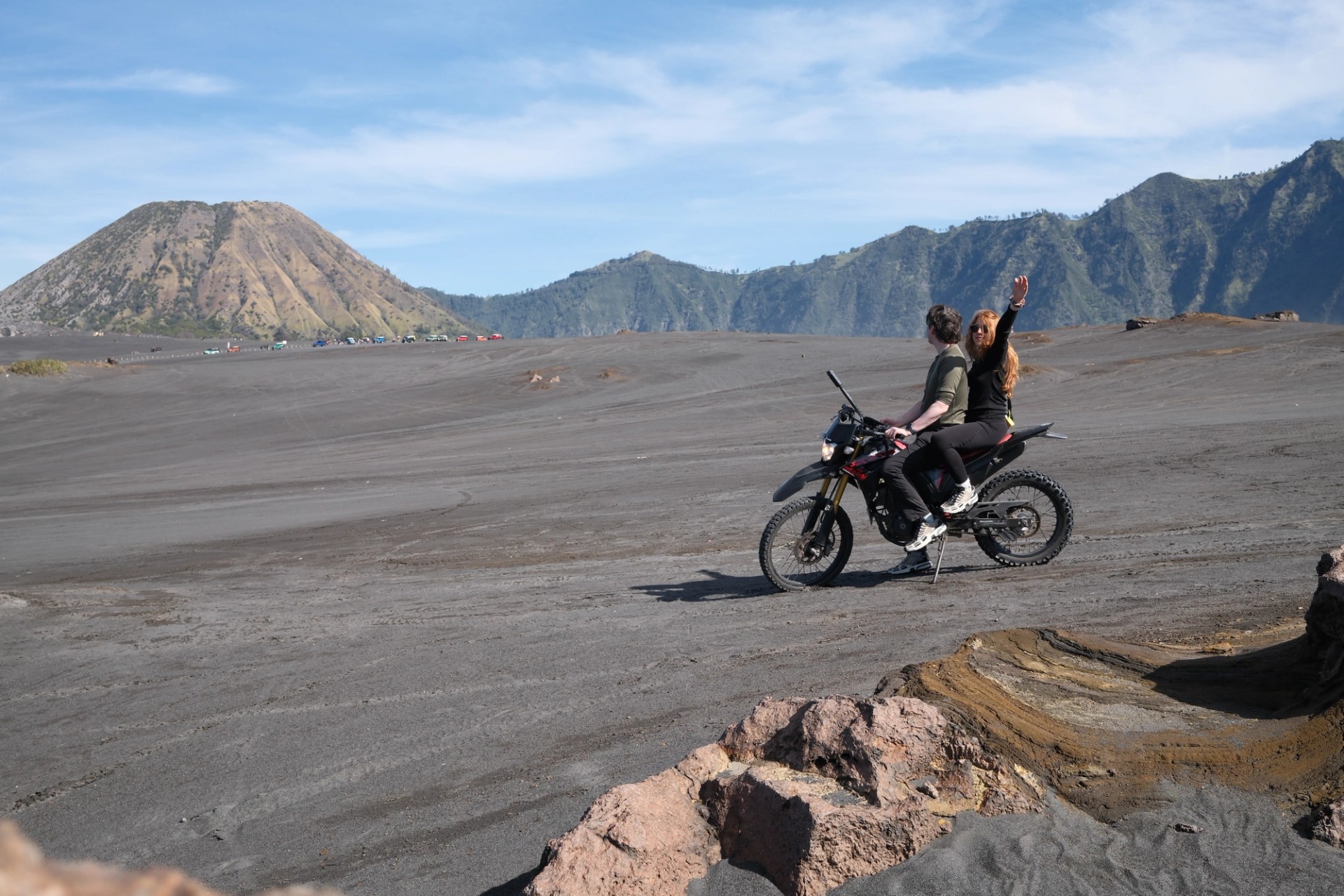
Nine years of motorbike rentals across Southeast Asia. Automatic scooters through Bali traffic, semi-automatics up the Ha Giang Loop, 250cc bikes on Thai mountain passes and coastal roads. What follows is the version we would repeat to a friend renting for the first time, in the order we would say it.
Get the right licence before you go.
The first time we rented a motorbike in Asia was Thailand in 2017. We had UK driving licences that had been fine for cars for years, and we hired a 150cc in Chiang Mai without thinking twice. What we did not know was that a standard UK driving licence entitles you to ride mopeds up to 50cc only. Anything above that requires a full motorcycle licence, which we did not have. This distinction is not obvious, and most British travellers do not learn about it until it matters.
For us it mattered on a traffic stop. Chiang Mai police pulled us over, checked the licence, and the situation was resolved on the roadside for a small fee. This is how these interactions usually go and we kept riding. But the ride we were doing on a 150cc was above our actual skill level, and the roadside stop should not have been the moment we found out about the licensing gap.
What we recommend is what we did after: a full UK category A motorcycle licence, followed by an International Driving Permit with the motorcycle endorsement. The CBT certificate is not the same thing and does not produce a valid IDP for international riding. This matters for two reasons. Legality when local police stop you, and insurance validity when something actually goes wrong.
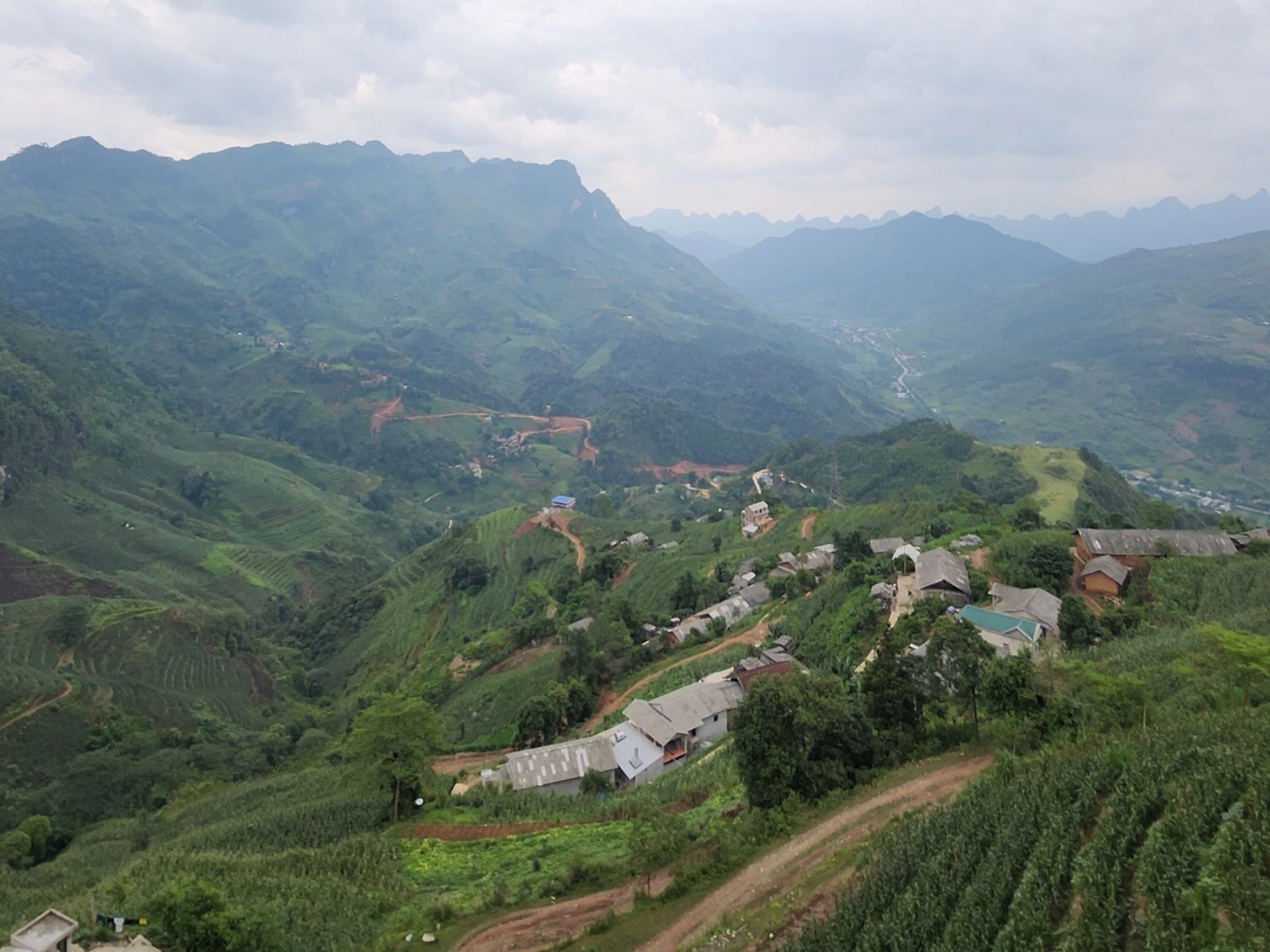
On the Ha Giang Loop specifically, Vietnamese police do check IDPs at roadside stops, and travellers without them get turned back or fined. It is one of the few places in Southeast Asia where the licensing question is enforced routinely.
Bring your own helmet.
The half-shell helmets the rental shops provide protect your scalp, not your skull. A proper full-face helmet, brought from home, is the single equipment decision that changes outcomes in a crash. This is the most-recommended and least-followed piece of advice in the entire motorbike-in-Asia genre. Do the boring thing. Pack the helmet.
Match the bike to the road.
110cc to 125cc is enough for city riding: Bangkok traffic, Hoi An lanes, Ubud back streets. It is not enough for mountain passes. The Ha Giang Loop, the Mae Hong Son Loop, the Bali interior climbs to Batur or Kintamani, all need 150cc minimum. Underpowered bikes on steep gradients are their own hazard, because you spend the descent going faster than you should have gone up.
Cash deposits only.
Never hand over your passport. Reputable rental shops in Southeast Asia will accept cash deposits (typically £200 to £400 equivalent, returnable on undamaged return of the bike). Any shop that insists on keeping your passport is one to walk away from. This is not about their honesty. It is about what happens when the bike gets a scratch and someone leverages your travel documents against you in the resolution.
Insurance is real if you buy it right.
World Nomads pays out on motorcycle claims if you have added the adventure activities tier to your policy and if you hold the correct licence for the country you are riding in. Riding without the adventure tier, or without the correct licence, means you are not covered. Read the policy before you leave. Assume you will need it.
Skip the Easy Rider tours.
The great motorbike roads in Southeast Asia are not experiences you buy from a tour operator. They are experiences you have because you learned to ride. The Ha Giang Loop is one of the great roads on Earth. Its point is that you make it yourself, without a guide behind you and a support van somewhere in the middle distance. What separates the Easy Rider tour from the actual thing is the same thing that separates snorkelling from diving: the level of participation. One is looking at the road. The other is being on it.
The whole argument condenses to this: motorbike riding in Southeast Asia is not something you do to a place. It is a discipline you learn in advance so that when you get to the place, the place opens up to you in a way it does not open up to anyone in the back of a van.
Learn to ride. Bring the helmet. Rent the right bike. The rest is the road.
Frequently asked questions
Technically yes, and practically it matters more than most travellers realise. Rental shops rarely check. Police checks are less predictable, and are enforced routinely on the Ha Giang Loop. The real reason to hold an IDP is insurance: World Nomads and most other travel insurers require the correct licensing for a payout on a motorbike claim. Get the licence and the IDP before your first trip. The training will change how you ride, and the paperwork will change what happens if something goes wrong.
The Cavale Letter
Stories worth the journey
One considered email. Field notes, new routes, and the occasional table worth booking.
Membership
Travel with Cavale
Member pricing, early access to new experiences, and a trip planner that turns stories like this into a route.
Explore membership →Plan a trip from this story
Make this a trip
Vetted in person, bookable from this page.