Cities Are Places You Return To
Living in London teaches you something about visiting cities. After more than a decade in the same city, you have not seen it all. You have not eaten in most of its restaurants. You have not been to most of its neighbourhoods. There are entire postcodes you have driven through without stopping, entire cultural institutions you have not visited, entire pubs on your walk home you have never gone into. And even the parts you know are not the parts you knew ten years ago. The pub on your walk home is under new ownership. The place you used to go for Sunday lunch does not exist anymore. The place everyone is going to now did not exist two years ago.
This is not because London is unusual. It is because major cities are like this. Any city that has existed for centuries and continues to grow is doing the same thing. Paris in 2015 is not Paris in 2025. Tokyo has entire neighbourhoods that have transformed since your last visit. Cities close and open restaurants at a rate no visitor can track. The idea that you can visit a city once and be done is a category error about what a city is. Cities are not destinations you tick off. They are places you return to, because they change and because there is always more.
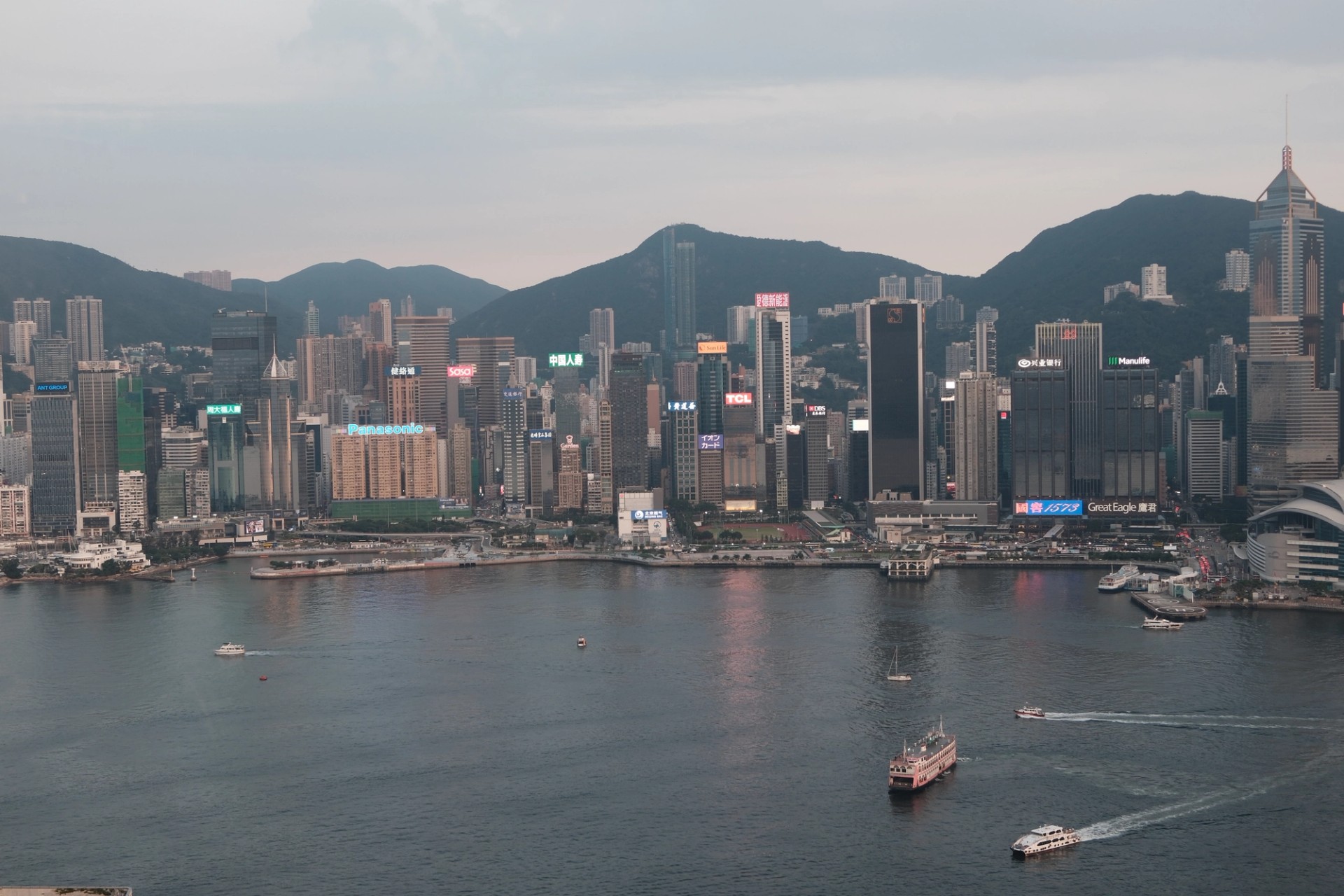
We have done this with two Asian cities in particular. We went to Hong Kong in 2024, and Kuala Lumpur in 2025, and in May 2026 we went back to both on the same trip. Neither return was because we had done the city wrong the first time. Both were because the cities we returned to were not the cities we had visited. New restaurants had opened. Neighbourhoods we had barely walked on the first visit were where we spent most of our time on the second. The Star Ferry at 10pm was different on our second visit to Hong Kong because we were different, and Hong Kong was different, and the ferry was doing what it always did.
The specific value of return is compounding. On the first visit, you are learning the city. On the second, you already know the basics, so you can go deeper. This is a different mode of travel from the first-visit-discovery mode, and it is available only if you return. Most travel writing treats the first-visit mode as the default and the second-visit as somehow lesser. The opposite is true. The second visit is when the city starts to belong to you a little.
This is not an argument that every city deserves return. Small cities can be finished. Weekend destinations rarely reward return. Ski towns and beach towns are what they are, and you go back for the mountain or the water, not the depth. But the great world cities, the ones that have been growing and changing for centuries and continue to change now, are different. They are the places worth building a relationship with over years.
Living in London we do this every day, walking a familiar route and finding a new coffee shop on it. When we travel to another mega city, we do the same thing on a longer cycle. And when a trip lets us return to two of these cities at once, as our 2026 trip did with Hong Kong and Kuala Lumpur, the compounding is doubled: two second visits, two cities that are not the cities we saw before, in the same journey.
Cities are not one-visit places. They are places you return to.
Book the return trip.
La lettre Cavale
Des histoires qui valent le voyage
Un seul e-mail soigné. Des notes de terrain, de nouveaux itinéraires, et parfois une table qui vaut le détour.
Adhésion
Voyagez avec Cavale
Tarifs membres, accès anticipé aux nouvelles expériences, et un planificateur qui transforme des histoires comme celle-ci en itinéraire.
Découvrir l'adhésion →